WILLIAM
CLARK
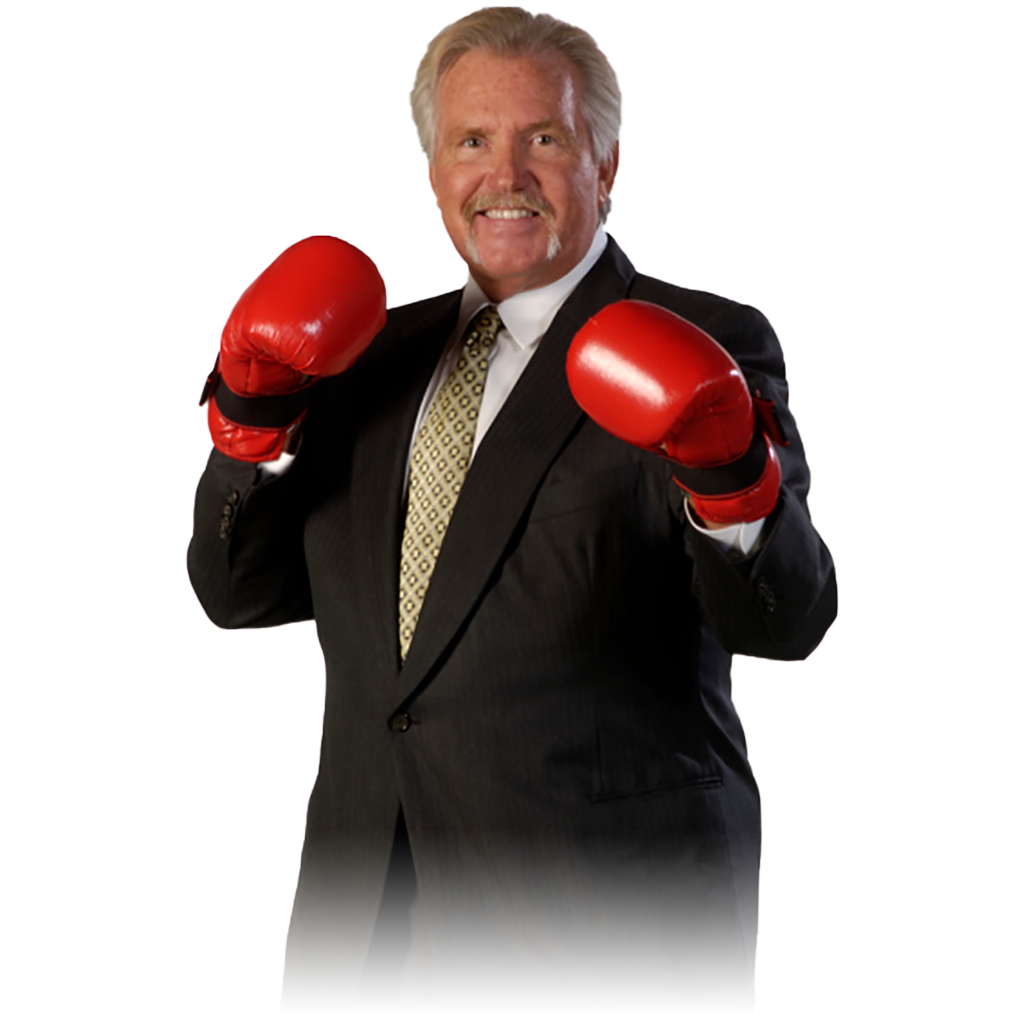
“Grand Master William Clark is Today’s
Newest AUTHOR.”
Read his real-life stories that show how the right guidance and environment can transform both children and their families.
Get Your Copy Of Grand Master William Clark's Newest Published Work.
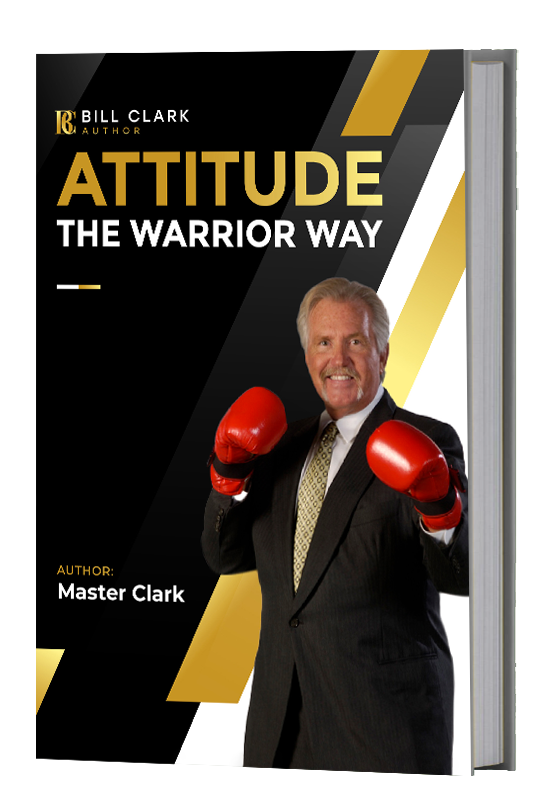
ATTITUDE
The Warrior Way
This book is a powerful guide that emphasizes the transformative impact of a positive attitude on every aspect of life. Drawing on his extensive experience in martial arts and personal development, Master Clark provides readers with practical strategies to cultivate resilience, optimism, and success.
Throughout the book, Master Clark incorporates lessons from martial arts, illustrating how the discipline and mindset of a warrior can be applied to everyday challenges. By adopting The Warrior Way, readers are encouraged to face life's obstacles with courage, determination, and an unwavering positive attitude.
Attitude: The Warrior Way is an essential read for anyone looking to improve their mindset, overcome challenges, and achieve greater happiness and success. Whether you're seeking personal growth, professional development, or enhanced well-being, this book offers valuable guidance and inspiration.
Hear what author Bill Clark has to say about his newest book.
Interview by Dr. Greg Moody
Rev Publishing
Other Books
Browse through the many titles that Grand Master Clark has published.
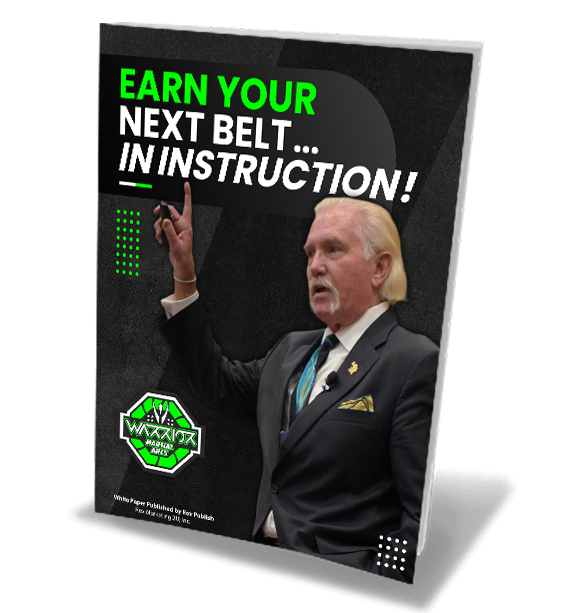
Earn Your Next Belt in Instruction!
The Invisible Belt Most Instructors Never Earn
Every instructor wears a belt. But not every instructor earns the one that matters most. This white paper is about earning that next belt. The one that separates black belts who teach… from black belts who lead. Get YOUR FREE copy today

The $100K Mistake Made Every Year
Passion Isn’t a Plan
You’ve got the belt. You’ve got the technique. You’ve got a room full of kids who respect you. This white paper will show you what’s missing — and how Warrior Success Systems turns good instructors into great business owners. Simply click the link below to read more.

The Warrior Way Advantage
The Missing Link in Today’s Youth Development!
Something’s missing in today’s fast-paced world. This isn’t about kicking and punching. It’s about learning to stand tall when life pushes back. It’s about focus, respect, and the drive to become your best self — not just at practice, but at school, at home, and anywhere life shows up.
WILLIAM
CLARK

Who Is
Grand Master
William Clark?
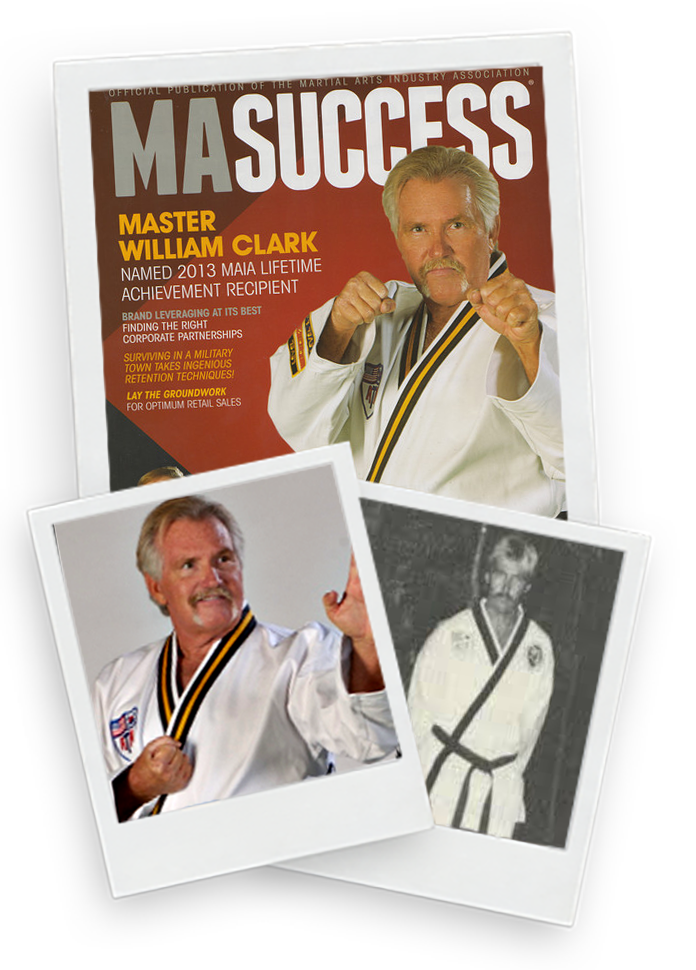
William George Townsend Clark II might be a long name for most, but for Ninth Degree Chief Master Bill Clark, it’s a title he carries with ease. The oldest of seven brothers, Master Clark grew up in Jacksonville, Florida, where he demonstrated natural leadership from a young age. An accomplished athlete, he excelled in baseball and even played semi-professionally during his senior year of high school. In 1967, he moved to Omaha, Nebraska, to work for his Uncle Bob, a decision that would forever alter the path of his life and shape the future of martial arts.
It was in Omaha that Master Clark began his martial arts journey. In 1968, he met his teacher, mentor, and lifelong friend, the late Grand Master H. U. Lee, the founder of the Songahm system. There, he also connected with Richard Reed and Robert Allemier, who would later become Chief Masters of Songahm Taekwondo. The deep bonds formed between instructor and students became the foundation of the Songahm system.
In 1969, Master Clark had the privilege of training under Mr. Soon Ho Lee, who would eventually succeed Grand Master H. U. Lee as the second Grand Master of Songahm Taekwondo.
By 1972, Master Clark had established himself as a top competitor, excelling in both ATA tournaments and open competitions. He developed strong friendships with martial arts icons such as Master Bill “Superfoot” Wallace and Master Joe Corley, who would go on to organize the annual Battle of Atlanta Championships.
In 1971, Master Clark returned to Jacksonville to help expand Songahm Taekwondo in the southern United States. His fighting career reached its peak in 1976 when he was named the Professional Kickboxing Association (PKA) Fighter of the Year. By that time, he had already won both the PKA Championship and the ATA Grand Nationals. At the age of 31, Master Clark retired from competitive tournaments in 1978 to focus on expanding the Songahm system and growing his local schools.

What You'll Learn In This Book
The book is structured into twenty chapters, each focusing on key elements of attitude and how they influence our daily lives. From setting daily goals and avoiding negative influences to leveraging exercise, humor, and positive self-talk, Master Clark shows how attitude is the cornerstone of personal and professional achievement. He shares actionable insights and personal stories, making the advice accessible and relatable. Key chapters include:
Resolve To Be Happy
Encourages readers to take control of their happiness by setting clear goals and making deliberate choices that foster positivity.
Set Your Day Up For Success
Highlights the importance of establishing a morning routine that energizes and prepares you for the day.
Avoid Negative People and Situations
Discusses the value of surrounding yourself with positivity and removing toxic influences to enhance your outlook.
Use Positive Self-Talk
Emphasizing the power of words, this chapter teaches how to replace negative self-talk with affirmations that build confidence and resilience..
Reframe Negative Situations
Readers learn how to shift their perspective, turning challenges into opportunities for growth.
Embrace Humor
This chapter underscores the importance of laughter in maintaining a positive attitude, offering techniques to inject humor into everyday life.
The book also includes a Personal Action Plan, guiding readers to apply the concepts through specific exercises and self-reflection. This interactive element ensures that readers can integrate these principles into their routines, making lasting changes.
LISTEN TO WHAT OTHERS ARE SAYING
GRAND MASTER BILL CLARK – AUTHOR
"Well written and easy to apply. It's an easy read for all martial arts practitioners."
"This was an amazing read. It’s not just a book about your attitude but it gives you the tools to recognize what you can do it make things better. A workbook inside a book. Great information and very informative! Can’t wait for the next one"
"I wasn’t sure what to expect from an author with such a rich and deep knowledge in his field. How could he possibly condense decades into lessons? And make it relevant for people across varied backgrounds? The answer is: with style and simplicity, laced with poignant and well-designed mental exercises and assessments that allow you to reflect and process the power of perspective—and which reminds you that you can decide how to view things in a more positive manner. A great read and one you’ll benefit from visiting again and again as you grow and face new chapters in your life. Thank you, Grand Master Clark, for your generosity, wisdom, and endless passion to improve the lives of those around you."
"This book is amazing! So many great things in here to help improve your life and business. Read and reread each one and put them into your life and see just how much better it will. I highly recommend this book!"
"This book is a must read for everyone if you want to have a better life. Grand Master Bill Clark is obviously know far and wide in martial arts and the martial arts industry, yet this book is not just for those groups! Of course, all martial artists and business owners need to read it and teach his crucial principles - that's a given. But I promise that anyone who gets this book will be inspired to not only develop and grow, but build happiness. I am starting his morning content right now! Thanks Grand Master Clark!"
"Master Clark has put another masterpiece into the Universe for all of us to learn from and enjoy. He's been a great mentor to thousands - students, business owners, peers and more. He embodies the ideas and spirit that he shares in this book. Get it immediately. Read with a highlighter and notebook to remember, learn and implement."